
You’ve heard the word Ththometech. Maybe in a meeting. Maybe on a Slack thread.
Maybe while pretending to nod along.
It sounds important. It sounds technical. It sounds like something you should already understand (but don’t).
That’s not your fault. It’s because nobody explains it plainly. They bury it in jargon or skip straight to features no one asked for.
I’ve seen this term misused, overcomplicated, and slapped onto things that have nothing to do with it.
(Yes, even by people who claim to specialize in it.)
So let’s fix that. Right now. No definitions lifted from a glossary.
No vague analogies. Just what Ththometech actually is. And why it touches your work, your tools, and maybe even your paycheck.
You’ll know by the end of this article. Not in theory. In practice.
You’ll walk away able to explain it to someone else. Clearly, confidently, without checking a dictionary first.
What Ththometech Actually Is
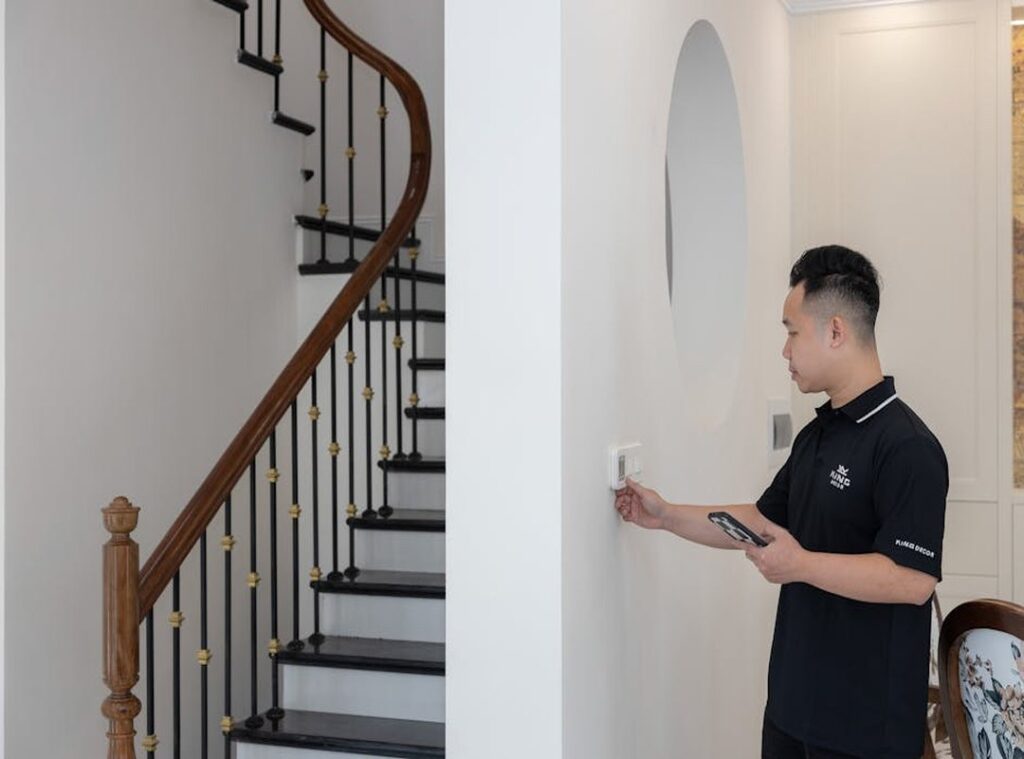
I’ll cut the mystery. Ththometech is a real thing (not a typo, not a joke). It’s about making everyday tech work for you (not) the other way around. You’ve seen it when your thermostat learns your schedule or your phone silences calls during dinner.
That’s Ththometech in action.
It started because people got tired of fighting their gadgets. So someone asked: What if tech just… knew? Not magic. Just better design.
Smarter defaults. Less clicking.
Think of it like a good barista. They remember your order. They don’t ask every time.
Ththometech does that. But for your lights, your calendar, your grocery list.
You use it already. When your ride-share app predicts your pickup spot? Ththometech.
When your email filters spam before you see it? Also Ththometech. It’s not flashy.
It’s quiet. It’s useful.
Some folks call it “ambient intelligence.” I call it common sense with Wi-Fi.
You want to know how it works under the hood? Ththometech explains it without the fog.
Why do we still click “remind me later” on updates? Why do 80% of smart home devices sit half-configured? Because most tech assumes you’re an engineer.
Ththometech assumes you’re human.
And honestly? That’s rare.
You’d rather spend time living than configuring. Me too.
How Ththometech Actually Works
I use it every day. It’s not magic. It’s just clear steps.
First, I give it raw info. Like messy notes, spreadsheets, or voice memos. No formatting needed.
No special prep. You’ve done that before, right? (Spoiler: you have.)
Then Ththometech sorts it. Not with buzzwords (with) actual grouping, tagging, and timeline alignment. It spots repeats.
It links related ideas. It kills noise.
Finally, I get clean output. A bullet list. A calendar view.
A one-page summary. Whatever helps me act, not just scroll.
It doesn’t guess what I want. It shows options. Then lets me pick.
That’s the difference between useful and annoying.
What does it run on? Plain logic. Pattern recognition.
Human-like prioritization. No servers in a basement. No PhD required to start.
The goal? Cut the friction. Get from “I have too much” to “I know what to do next.”
That’s all.
| Input | Output |
|---|---|
| Unstructured text, dates, tasks | Prioritized list, visual timeline, decision-ready summary |
You don’t need to understand how it works to trust it. Just try it once. Then ask yourself: why did I wait?
Where You’ve Already Seen It

My neighbor’s thermostat learns when she’s home. It turns the heat down when she’s at work. No more freezing mornings or wasted energy.
You’ve used this idea before. Like how your phone suggests what you want to type next. That’s not magic.
It’s pattern recognition.
A local library uses Ththometech to reshelve books faster. Cameras spot misplaced titles, and staff get alerts on tablets. They fix errors before patrons even notice.
(Yes, libraries still use physical books. And yes, that matters.)
I watched a teacher use it during parent-teacher conferences. She pulled up each student’s reading habits. What they clicked, how long they paused, where they scrolled back.
Not to judge. To adjust lessons that week.
You’re probably thinking: “Wait. Isn’t that just basic tracking?”
No. It’s tracking with context.
It knows why someone reread page 3.
It doesn’t replace people.
It gives them time back.
Real help isn’t flashy.
It’s quiet, consistent, and solves something small. Like finding a book, warming a room, or understanding a kid’s confusion before the test.
That’s the point. Ththometech works where humans already do the heavy lifting. It just lets them lift smarter.
Ththometech Is Not Your Friend
I don’t care if it’s “cutting-edge.”
I care if it breaks my vacuum cleaner.
Ththometech is already in your house. It’s not coming. It’s here.
You think your robot vacuum is just cleaning? It’s learning where your cat pukes. It’s mapping your toddler’s nap schedule by floor noise.
That’s not convenience.
That’s quiet surveillance with a dustbin.
Most people treat it like a gadget.
I treat it like a roommate who never asks permission.
It’s changing how we learn. By replacing curiosity with autocomplete. It’s changing how we work.
By turning judgment into a dropdown menu. It’s changing how we play. By making games that adapt too well (and then stop being fun).
You want time saved? Fine. But who decides what “saved time” means?
Your boss? Your app? Your toaster?
The future isn’t about smarter devices.
It’s about who trains them. And who gets trained by them.
You’re already using Ththometech.
You just don’t know its name yet.
Want to see how deep it goes? learn more
Don’t wait for the upgrade.
Ask what it upgrades you into.
You Get It Now
I told you Ththometech wasn’t magic.
It’s just clarity, applied.
You came here because that word confused you. It felt heavy. Unnecessary.
Like jargon dressed up as insight.
It’s not.
It’s a tool. A real one. And it works by cutting noise (not) adding it.
You’ve seen how it simplifies messy processes.
How it ties to better results (not) buzzwords.
Now look around. That app you use daily? That workflow your team hates?
That new device on your desk? Ask yourself: Is Ththometech already in there. And I just didn’t see it?
Don’t wait for permission to question it.
Don’t wait for someone else to explain it again.
You already know enough to start spotting it.
You already know enough to test it.
So go ahead (watch) for it this week. Not passively. Actively.
Then come back and tell me where it showed up.
Or where it should have.
I’ll be here.
Ready when you are.
Start today.
