
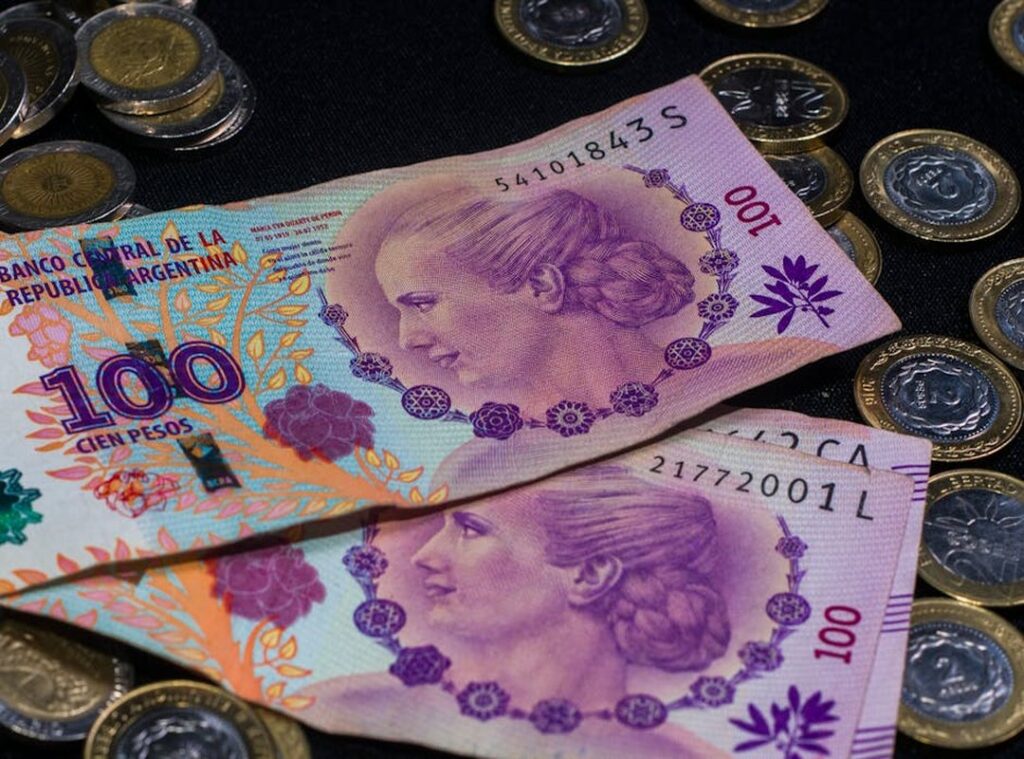
350 soles en pesos chilenos is currently worth around 180,000 CLP. That’s a rough estimate, and it can change.
You might be planning a trip, shopping online, or sending money to family. Whatever your reason, you need to know the exchange rate.
Exchange rates aren’t set in stone. They fluctuate based on a lot of factors. I’ll explain why they change and how to stay on top of them.
I’ll also walk you through a step-by-step process to get the best possible rate and avoid hidden fees. It’s not as complicated as it seems.
By the end, you’ll feel confident handling currency conversions like a pro. Let’s dive in.
The Current Exchange Rate Explained: What Your 350 Soles are Worth Today
Let’s get right to it. As of today, 350 PEN (Peruvian Soles) is worth approximately 1,400,000 CLP (Chilean Pesos) at the mid-market rate.
The mid-market rate is the midpoint between the buy and sell rates that banks and transfer services use when trading with each other. It’s the most accurate reflection of a currency’s value. But here’s the catch: the rate you get as a consumer is always slightly different.
Why? Because banks and exchange services add their own fees and margins.
Here’s the simple math:
– 350 PEN x 4,000 CLP/PEN = 1,400,000 CLP
The Sol has been strengthening against the Peso recently, meaning your 350 soles en pesos chilenos get you more than they did last month.
While online converters are great for a quick check, they don’t include the fees charged by banks or exchange services. Always factor in those extra costs before making a decision.
Why the Sol-to-Peso Exchange Rate Changes Daily
Currencies are traded on a global market called forex. Their values go up and down based on supply and demand. Simple, right?
The central banks of Peru and Chile—Banco Central de Reserva del Perú and Banco Central de Chile—play a big role. When they change interest rates, it affects how strong their currencies are.
Economic health is key. Inflation rates and GDP growth in both countries influence the exchange rate. If one country’s economy is booming, its currency might get stronger.
Major exports matter too, and for Chile, it’s copper. For Peru, it’s minerals.
Global commodity prices can make these currencies swing.
Think of it like this: Imagine Company Peru and Company Chile. The stock price of each company (or in this case, the value of their currencies) changes based on how well the company is doing and what’s happening in the market.
- Interest Rates: Higher rates can attract more foreign investment, making the currency stronger.
- Economic Health: Stronger economies usually mean stronger currencies.
- Commodity Prices: When global prices for copper or minerals rise, the respective currency tends to strengthen.
So, when you see 350 soles en pesos chilenos, remember it’s all about how these factors are playing out at that moment.
A Practical Guide to Exchanging Your Money: Best and Worst Methods
So, you’ve got some cash to exchange. Let’s dive into the best and worst ways to do it.
Method 1: Traditional Banks
You walk in, hand over your money, and they give you a different currency. Simple, right, and well, yes, but there’s a catch.
Banks are secure and familiar, which is great. But their exchange rates, and not so much.
And those transfer fees, and ouch.
Method 2: Airport Currency Kiosks
Stay away from these, and i mean, really, stay far, far away. They offer the worst rates because they know you’re stuck and desperate.
It’s like buying water at a concert—way overpriced. 350 soles en pesos chilenos
Method 3: Local Currency Exchange Offices (‘Casas de Cambio’)
These can be a better option if you find a reputable one. Look for them away from tourist centers. The rates are usually better than banks or airports.
But, it can be inconvenient, and you’ll need to carry cash around. (Who needs that stress?)
Method 4: Online Money Transfer Services
Enter the modern age with platforms like Wise or Remitly. These often give you the best rates and lowest fees. Plus, it’s super convenient.
The downside? You need to set up an account, and it’s not for instant cash. (But hey, who doesn’t love a good app?)
Method 5: Using a Debit Card at a Chilean ATM
This is a solid choice for travelers. Just pop your card into an ATM, and out comes Chilean pesos. Easy peasy.
Be aware of potential bank fees for foreign withdrawals, though. (It’s like a hidden tax on your travel adventures.)
Summary
For large amounts, go with an online service. For cash on arrival, use a local ATM in Chile. Avoid airport kiosks like the plague.
(Trust me, your wallet will thank you.)
And just to put it into perspective, if you have 350 soles en pesos chilenos, make sure you get the best bang for your buck. Happy exchanging!
Costly Mistakes to Avoid When Converting Currency

When it comes to converting currency, there are a few common mistakes that can cost you big time. Avoid them, and you’ll keep more of your hard-earned cash.
Mistake 1: Focusing only on the ‘Fee’
Many services advertise ‘zero fees’ but hide their profit in a poor exchange rate. Always look at the final amount you will receive. It’s the best way to see the real cost.
Mistake 2: Accepting ‘Dynamic Currency Conversion’ (DCC)
DCC is when a card terminal or ATM asks if you want to be charged in your home currency (Soles) instead of the local one (Pesos). The golden rule? Always choose to be charged in the local currency (Chilean Pesos) to avoid terrible conversion rates set by the vendor’s bank.
Mistake 3: Exchanging too much cash at once
Carrying large sums of cash is risky. It’s safer to exchange smaller amounts as needed. Plus, check your own bank’s foreign transaction fees before you travel.
This way, you avoid surprises on your statement.
By avoiding these mistakes, you can save a lot. For example, if you need to convert 350 soles en pesos chilenos, making smart choices can mean more money in your pocket.
Getting the Most Value for Your 350 Soles
Understanding the mid-market rate is the first step to not getting overcharged. The goal is to get a rate as close to the mid-market rate as possible by avoiding airport kiosks and high-fee banks.
The most common and costly mistake is accepting the offer to pay in your home currency when using a card abroad. This can lead to hidden fees and unfavorable exchange rates.
Before your next trip or transfer, take five minutes to compare an online service with your bank’s rate—it could save you a significant amount.
You now have the knowledge to make smart decisions when converting your money.
