
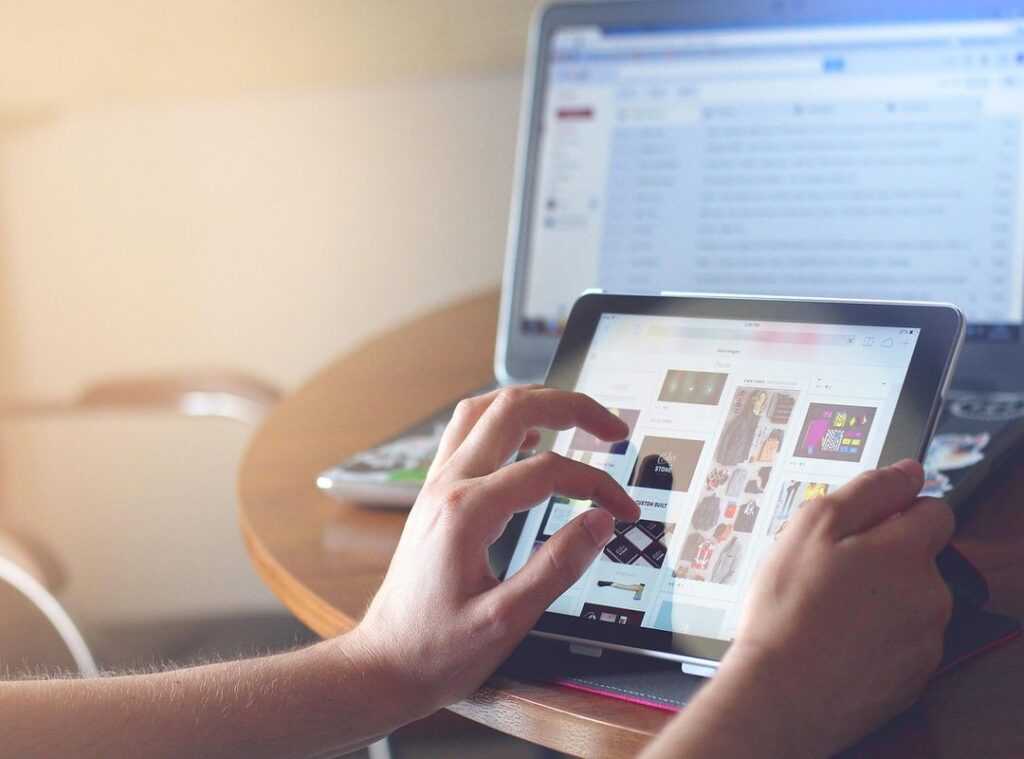
The tech world moves fast, and it’s tough to tell what really matters in tablet innovations. You might feel overwhelmed by all the new models and features, wondering if any upgrade is worth your time or money.
I’ve spent years tracking these devices, diving deep into real-world performance. I know how to separate genuine breakthroughs from just flashy marketing.
You deserve to know which advancements genuinely impact your daily life.
This article cuts through the noise. I’m here to guide you through the most significant changes shaping the tablet space.
I promise to break down what you actually need to pay attention to.
With my experience, you’ll gain takeaways that help you make informed decisions about your next tablet. Whether you’re looking to upgrade or just curious, I’ve got the answers you need.
Let’s unpack the latest tablet advancements together.
The Power Beneath the Glass: Tablet Processor Evolution
You know those ARM-based processors in tablets? They’ve become beasts. Apple’s M-series and Qualcomm’s Snapdragon X Elite are like the superheroes of chipsets, closing (and in some cases, obliterating) the gap between tablets and laptops.
This is not some overhyped fanfare. It’s reality. Tablets are now seriously solid.
You can run console-quality games on the go. Smooth multitasking? Achieved.
Professional-grade applications for work creatives? Totally possible.
But here’s the kicker: can a tablet replace a laptop for legit work? Short answer: Yes. I’ve seen tablets handle tasks that used to require clunky laptops.
Editing videos, graphic design, handling spreadsheets. All on a device you once only used for Netflix.
And those neural engines and AI accelerators? They’re game-changers. Image processing, voice recognition, on-device machine learning (it’s) like these tablets are thinking for themselves.
Which makes life a lot easier, right?
So while some still cling to laptops for “serious” tasks, it’s clear that tablets are no longer second class. They’ve evolved. If you’re curious about how tech like next gen wearables fits in this new space, it’s worth exploring.
Who knows? Maybe the future of computing lies in your hands.
Visual Revolution: Immersive Experiences Unleashed
Tablet innovations are transforming how we interact with screens. I’ve seen the rise of OLED, Mini-LED, and those insanely fast 120Hz ProMotion displays. Each has its perks. OLED gives you perfect blacks and colors that pop.
Mini-LED is all about brightness and contrast. And let’s be real, higher refresh rates make scrolling feel like butter.
But what’s the best fit for your needs? If you’re into media consumption, OLED might be your go-to for movies and streaming. For creative work like digital art, Mini-LED’s superior brightness can really shine.
And if you’re just casually browsing or reading, a higher refresh rate might not even matter.
It’s a puzzle, right? The choices can be overwhelming. I’m not sure there’s a one-size-fits-all answer.
But here’s a pro tip: test them out before deciding. Your eyes will tell you what’s best.
These advances aren’t just bells and whistles. They boost user experience across the board, whether you’re drawing on a tablet or binge-watching your favorite series. So dive into these display technologies and see how they can raise your everyday digital life.
Beyond the Tap: Enhanced Input Methods & Productivity Tools
I’ve been a tech enthusiast long enough to know when something’s genuinely game-changing. Enter the world of tablet innovations. Stylus technology has come a long way.
It’s not just a stick anymore. Now we’ve got lower latency, tilt recognition, and even haptic feedback. Imagine feeling a brushstroke as you sketch.
It’s like having a paintbrush that talks back.
These advanced styluses transform tablets into more than just screens. They’re canvases for digital artists, note-takers, and designers. Who wouldn’t want that precision?
It’s almost like magic. And let’s not forget the keyboard attachments. Full-sized keys, trackpads, and magnetic connections give you a laptop-like feel.
Typing on a tablet is no longer a chore. It’s fast and satisfying.
But here’s where it gets interesting: software integrations. Handwriting-to-text conversion and gesture controls are more refined. Everything’s designed to make you more productive.
It’s like having a digital assistant.
You might be wondering, can a tablet truly boost productivity? Absolutely. With these tools, you’re not just tapping a screen.
You’re engaging with it. It’s time to embrace these innovations and see how they can redefine your creative and work processes.
Endurance & Connectivity: Power Meets Speed
When it comes to tablet innovations, I’m a stickler for battery life. Gone are the days of constantly hunting for an outlet. Tablets now boast batteries that last all day, thanks to fast chipsets and optimized software.

Remember when you had to ration your usage? Yeah, me neither. These advances have changed the game completely.
Rapid charging is the cherry on top. You can plug in, grab a coffee, and be good to go. Wireless charging, though still a bit of a novelty, offers that futuristic feel.
But here’s the kicker: 5G integration. It’s like unleashing a caged beast. Fast, reliable internet wherever you are.
Remote workers and travelers can finally breathe easy. No more panicking without Wi-Fi.
And here’s the practical question: Can I rely on a tablet all day? Absolutely. The combination of improved battery and 5G makes it not just possible, but smooth.
You’re not just getting more convenience, you’re getting a device that’s truly portable. For more on how tablets are evolving, check out the n 25 innovation points of android. It’s fascinating to see where this tech is heading.
So, next time you pack for a trip, don’t forget the tablet. It’s more solid than you think.
Software Smarts: OS Evolution & App Ecosystems
Tablets have come a long way. Remember the days when they felt like oversized phones? Those times are fading.
With the evolution of tablet-optimized operating systems like iPadOS’s Stage Manager and Android’s improvements for large screens, the line between mobile and desktop is blurring. Windows on ARM is also stepping up. It’s about time, right?
These advancements introduce strong multitasking features. Better window management. More desktop-like interfaces.
Suddenly, your tablet isn’t just for Netflix binges or casual browsing. It’s a real productivity tool.
Tablets are now versatile enough to handle workflows once exclusive to laptops or desktops. If you’re wondering whether tablet software finally matches its hardware capabilities, you’re not alone. I’ve asked the same myself many times.
Developers are catching on. They’re crafting tablet-specific versions of popular apps. Productivity, creative tasks, entertainment (name) it, and there’s a tailored app.
Are we there yet? Maybe. It’s still a mixed bag, but the gap is closing fast.
Curious about the future? You might want to check out this piece on smartphones of the future. It ties into the broader world of tech evolution.
Navigating the Future of Tablets
I’ve laid out the important tablet innovations that matter. You need to know what’s real and what’s just marketing fluff. The struggle to cut through the noise is real.
Understanding advancements in performance, display, and battery can make or break your purchase.
So what’s next? When you’re in the market for a new tablet, keep these takeaways in mind. Explore devices that match your needs.
Check out product reviews and comparisons to find the right fit. Don’t let confusion hold you back. Take charge of your tech journey today.
You deserve the best.
