
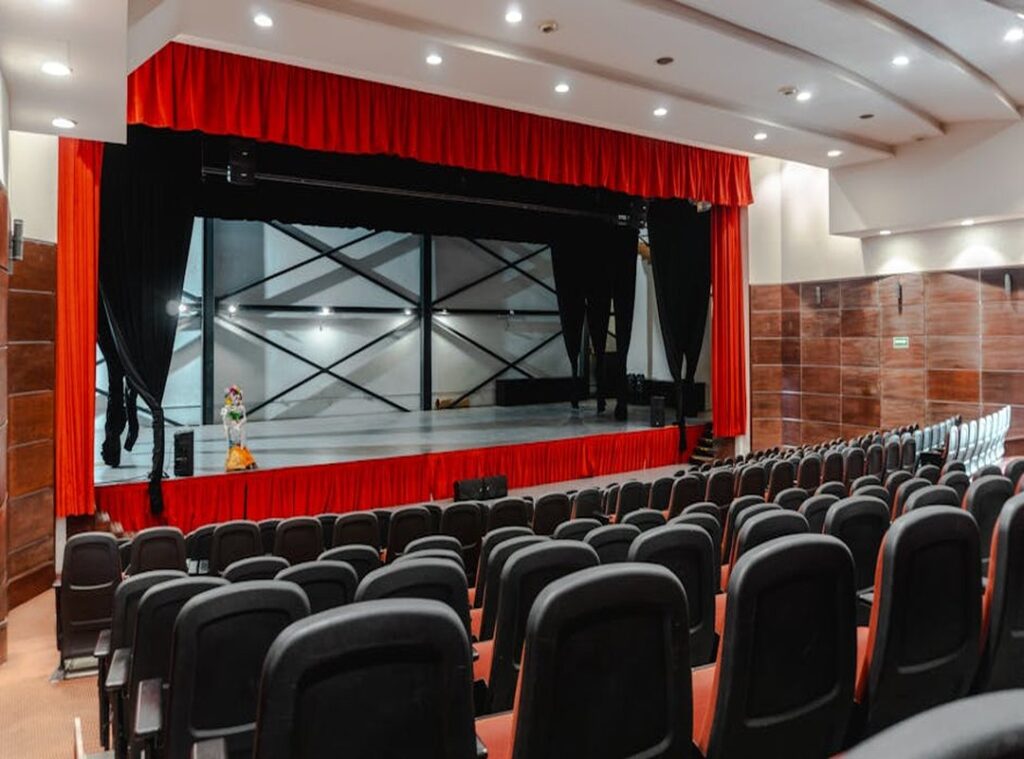
Discovery theater programming is a unique blend of education and entertainment. It’s designed to engage and inform, making learning fun and interactive. But let’s be real, it can be confusing.
What exactly is it? How do you use it effectively? I get it.
You want clear, straightforward answers. And that’s what I’m here for.
I’ll break down the basics, give you practical examples, and show you how to implement programacion discovery theater in your setting. No fluff, no jargon. Just the essentials.
So, are you ready to dive in and make the most of this dynamic approach?
What is Discovery Theater Programming?
Definition
Discovery theater programming is a unique blend of education and entertainment. It’s designed to engage audiences, especially kids, in a way that makes learning fun and interactive.
Key Components
Interactive storytelling is at the heart of it. This means the audience isn’t just watching; they’re part of the story. Audience participation is another key element.
Whether it’s through Q&A sessions or getting up on stage, the audience is actively involved. Educational content is woven into the narrative, making sure that while everyone’s having fun, they’re also learning something new.
Benefits
Enhanced learning is a big plus. When kids are engaged, they absorb information better. Engagement is another major benefit.
Discovery theater keeps the audience hooked, making the learning process more enjoyable. Creativity is also fostered. Kids get to think outside the box and use their imagination, which is crucial for their development.
Programacion discovery theater is a great way to bring these elements together, creating a memorable and educational experience.
How to Create a Discovery Theater Program
Creating a discovery theater program can be a rewarding way to engage and educate your audience. Let’s dive into the steps to make it happen.
First, define your objectives. What do you want to achieve? Maybe it’s to teach kids about science or to spark interest in local history.
Knowing your goals will guide the rest of the process.
Next, choose a theme. This should align with your objectives and be something that grabs your audience’s attention. For example, if you’re aiming to teach science, a theme like “The Wonders of Space” could be perfect.
Now, develop the script. Write a script that includes interactive elements and educational content. This is where you can get creative.
Think about how you can make the learning experience fun and engaging.
Design the set and props. A visually appealing and functional set can enhance the storytelling experience. Use materials that are both cost-effective and eye-catching.
Remember, the set should support the story, not distract from it.
Rehearse and refine. Practice makes perfect. Rehearse the performance and make adjustments as needed.
This step is crucial for ensuring smooth execution and keeping the audience engaged.
By following these steps, you’ll be well on your way to creating a successful programacion discovery theater. It takes time and effort, but the impact on your audience will be worth it.
Examples of Successful Discovery Theater Programs
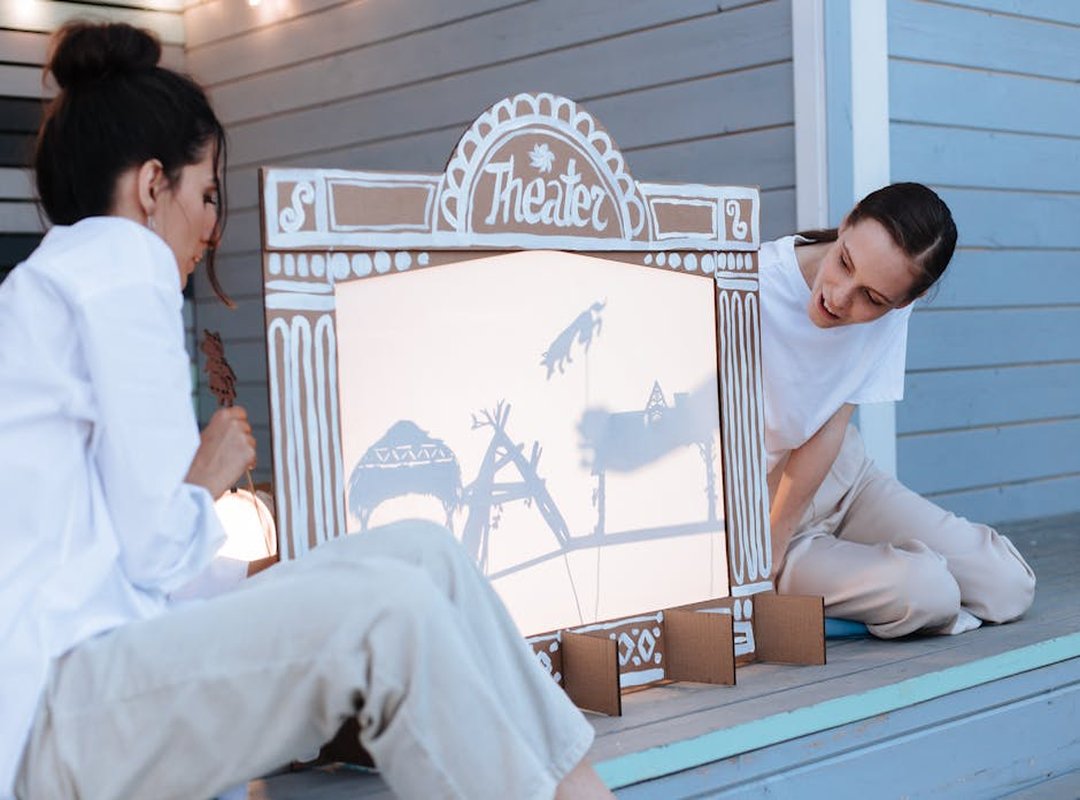
Let’s dive into some examples of successful discovery theater programs. These can give you a good idea of what works and why. programacion discovery theater
Example 1: A Science-Focused Program
I once attended a science-themed discovery theater program that was all about space exploration. The content was a mix of live demonstrations, interactive exhibits, and short, engaging presentations. It was designed to make complex scientific concepts accessible and fun.
The impact was clear: kids and adults alike left with a newfound curiosity about the universe.
Example 2: A Historical Reenactment
Another standout program was a historical reenactment of the American Revolution. Actors in period costumes brought key figures and events to life. The educational value was immense, as it made history tangible and relatable.
Audience engagement was high; people were asking questions and participating in discussions. It’s not always easy to get people excited about history, but this program did it.
Example 3: An Interactive Storytelling Session
Interactive storytelling sessions are another great way to engage audiences. One particular session I remember was based on folk tales from around the world. The storyteller used props, music, and audience participation to bring the stories to life.
It was creative and engaging, making the experience memorable for everyone.
In these examples, you can see how different formats—whether it’s science, history, or storytelling—can be effective in a discovery theater setting. Each one leverages (oops, I mean uses) unique elements to captivate and educate.
Programacion discovery theater is all about finding the right balance between entertainment and education. It’s not always clear what will work best, but these examples show that when done well, the results can be truly impactful.
FAQs About Discovery Theater Programming
Q1: What age groups are best suited for discovery theater programming?
Discovery theater programming is great for a wide range of ages, from young kids to adults. It’s designed to be engaging and educational, so it works well for families and school groups.
Q2: How can I measure the success of a discovery theater program?
Success can be measured in a few ways. Look at audience engagement, feedback, and whether the program meets its educational goals. Simple surveys or feedback forms can help you gauge how well the program is received.
Q3: Are there any specific tools or resources needed to create a discovery theater program?
You’ll need a good script, props, and a space to perform. Creativity is key. You don’t need fancy equipment, but having a clear plan and some basic materials will make a big difference.
Q4: Can discovery theater programming be adapted for virtual or online formats?
Absolutely. With the right setup, you can stream performances or even create interactive sessions online. This makes programacion discovery theater accessible to a broader audience, no matter where they are.
Mastering Discovery Theater Programming
programacion discovery theater is a powerful tool for both education and entertainment. It combines interactive storytelling with hands-on activities, making learning more engaging and memorable. The article highlights the importance of creating a structured yet flexible program.
Start by defining clear objectives. Choose themes that resonate with your audience. Incorporate elements like props, costumes, and multimedia to bring the story to life.
Examples provided in the article include using historical reenactments or science experiments. These examples help illustrate how to make the content both informative and entertaining.
Remember to involve the audience actively. Encourage participation through questions, role-playing, and group activities. This interaction keeps the audience engaged and enhances their learning experience.
Experiment with different formats and themes. Tailor your programs to suit various age groups and interests. By doing so, you can continually improve and expand your offerings.
Discovery theater programming offers endless possibilities. Explore, experiment, and innovate to create unique and impactful experiences for your audience.
