
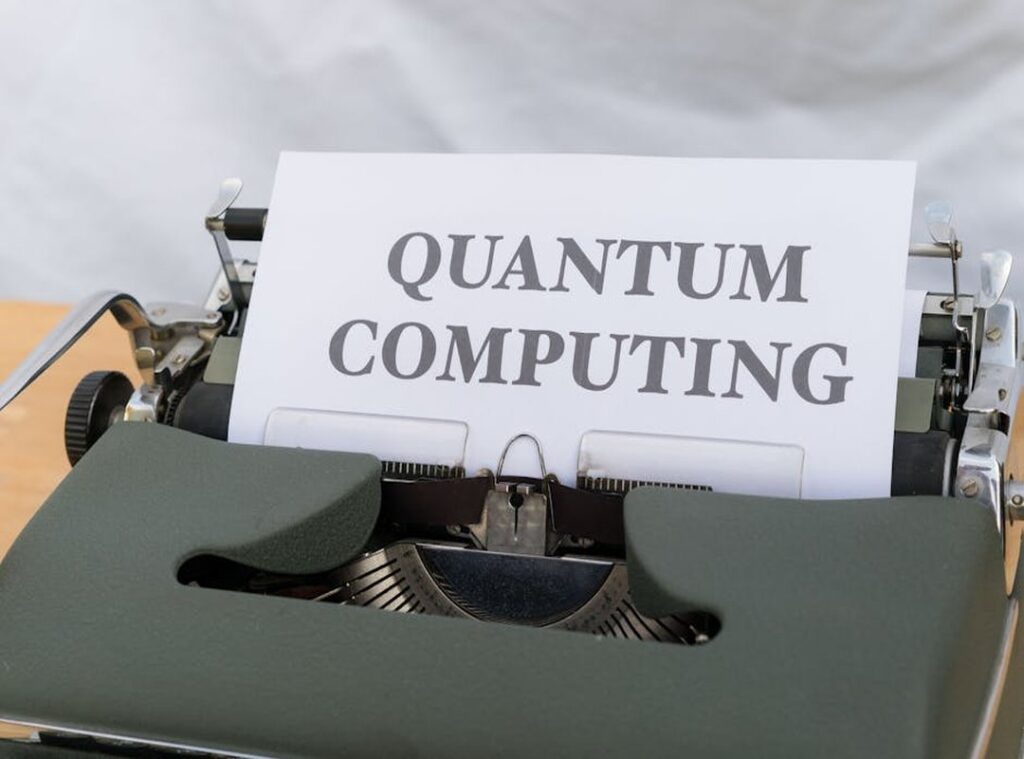
Quantum computing feels like a buzzword tossed around in tech circles. It’s confusing, isn’t it? I get it.
You want to cut through the hype and grasp what this means for the future.
This article aims to give you a clear and actionable understanding of the quantum computing future. I’ll break down the complexities and show you how it may impact our daily lives.
No fluff, just straightforward takeaways.
I’ve spent time analyzing tech trends and digging into the details. You can trust that what I’m sharing comes from a reliable source committed to exploring technology’s ever-changing space.
By the end, you’ll know not just the theoretical aspects but also the practical implications of quantum computing. Are you ready to dive in? Let’s open up the real story behind quantum computing and what it could mean for you moving forward.
Quantum Computing: The Future is Here
Quantum computing. Sounds like something out of a sci-fi movie, right? But it’s real, and it’s going to change everything.
Now, how’s that different from the computers we use every day? Classical computers process bits as 0s or 1s, solving problems one step at a time. Quantum computers, though, can tackle many possibilities simultaneously.
At its core, quantum computing uses qubits. Tiny units that can be in multiple states at once (that’s superposition). It also involves entanglement, where qubits are linked and instantly affect each other, no matter the distance.
Imagine trying to find a needle in a haystack. Classical computing would inspect each straw. Quantum computing?
It shakes the whole stack at once.
Why care about the quantum computing future? It’s key. This tech could solve complex problems currently impossible, like drug discovery or optimizing global supply chains.
As tech enthusiasts, it’s a game-changer.
And speaking of change, how about ai reshaping data analytics? It’s all part of the same game-changing wave. Keep an eye on it.
Quantum Leap: Where Quantum Computing Stands Today
Ever wondered where we’re at with quantum computing? Spoiler: it’s still early days, but we’re seeing serious progress. We’ve managed to bump up qubit counts, which is a big deal.
Why? Because more qubits mean more power to solve complex problems. And there have been some early demonstrations of “quantum advantage” in specific scenarios.
Sounds fancy, right? It basically means quantum computers are showing prowess in areas where classical computers struggle.
But let’s not kid ourselves (there) are hurdles. Qubit stability and error correction are huge challenges. Imagine balancing a house of cards while riding a unicycle.
That’s scaling quantum systems today. Researchers are experimenting with various types like superconducting and trapped-ion computers, but each has its quirks and limits. Superconducting qubits, for instance, are fast but prone to errors.
Now, where’s all this happening? Mostly in academic labs and a few industry partnerships. We haven’t hit widespread commercial use yet.
Curious about the quantum computing future? We’re exploring possibilities but remain grounded in today’s reality. The tech is promising, though, and who knows, it might just redefine what we think computers can do.
Quantum Computing’s Game-Changer: Industries on the Brink
Quantum computing is like the wild card of tech. Its potential is massive. Industries will change, and some might not even see it coming.
You know how classical computers struggle with certain tasks? the quantum computing future steps in.
Take drug discovery and materials science. Quantum simulations can model molecules with an accuracy we’ve never seen. Imagine speeding up drug development.
Cures that once took decades could be a reality much sooner (and maybe save a few lives along the way).
Then there’s financial modeling. Ever tried to predict a stock market crash? Quantum computing might not predict the future, but its complex algorithms can improve financial models.
Risk analysis, trading (suddenly,) they aren’t just shots in the dark.
Artificial intelligence is another big one. Quantum algorithms could supercharge AI. We’re talking about faster training, more complex models, and breakthroughs in machine learning.
Imagine AI that truly learns like humans.
There’s a race to develop “post-quantum cryptography,” and it’s as key as it sounds.
But here’s the kicker: cybersecurity. The “quantum threat” looms over current encryption methods, thanks to things like Shor’s algorithm. It’s not all doom and gloom.
Some skeptics say it’s all hype. Sure, quantum computing has arrived; we need to prepare now. It’s not just about the tech itself, but how we adapt to it.
Thoughts?
The Road Ahead: Quantum Computing’s Wild Ride
Let’s talk about quantum computing. The dream of a fault-tolerant quantum computer is still just that (a) dream. Sure, we’re making strides by the hour, but the technology has a long way to go.

Building these machines without error is like trying to assemble a puzzle with missing pieces. Even the simpler NISQ devices are riddled with noise and limitations.
Timelines? Don’t hold your breath. We’re talking years, maybe decades before we see truly universal quantum computers.
It’s one thing to achieve “quantum supremacy” (solving problems classical computers can’t), but “quantum advantage” is where it’s at. Using quantum computers for real-world tasks is what really counts. That’s when things get exciting.
But let’s not kid ourselves. This tech will shake things up. Job displacement is inevitable.
Data privacy? A huge concern. Imagine cracking encryption like it’s a joke.
That’s the scary part. We need to develop this tech responsibly, ensuring it doesn’t spiral out of control.
Progress is rapid, but widespread, general-purpose quantum computing is still a distant star. Trailing behind our hopes and fears alike. The quantum computing future is bright, but don’t pack your bags for that world just yet.
Just keep an eye on it. It’s a journey worth watching, even if the road ahead is long and winding.
Embrace the Quantum Era: Prepare Wisely
Quantum computing is the next big thing. It’s coming faster than you might think. So, how do you prepare for the quantum computing future?
You need to start with continuous learning. Dive into the basics. Understand what quantum means for your career and daily life (it’s not just sci-fi anymore).
For businesses, explore potential use cases. What’s your plan? Keep an eye on developments, especially when it comes to data security. “Quantum-safe” should be on your radar, just like cybersecurity trends 2024.
You’re going to need it sooner than you think.
Investing in talent and research is key. Partner with experts if you must. This isn’t the time to wing it.
Make informed decisions. Look beyond the immediate hype. It’s tempting to jump on every buzzword, but focus on genuine and sustainable progress.
Long-term thinking will set you apart. Don’t get swept away by the excitement. Stay measured, stay informed.
After all, the future of quantum computing is exciting. Just remember to approach it with a level head. It’s all about balance.
Keep grounded while aiming for the stars. That’s how you’ll truly benefit from this technological leap.
Your Next Steps in Tech
You’ve learned about the quantum computing future. This tech is complex, but knowing it matters. Now cut through the noise and focus on real advancements.
Keep digging into emerging trends and rely on trustworthy sources. Stay informed. Take action.
Dive deeper today. Your tech-savvy self will thank you.
