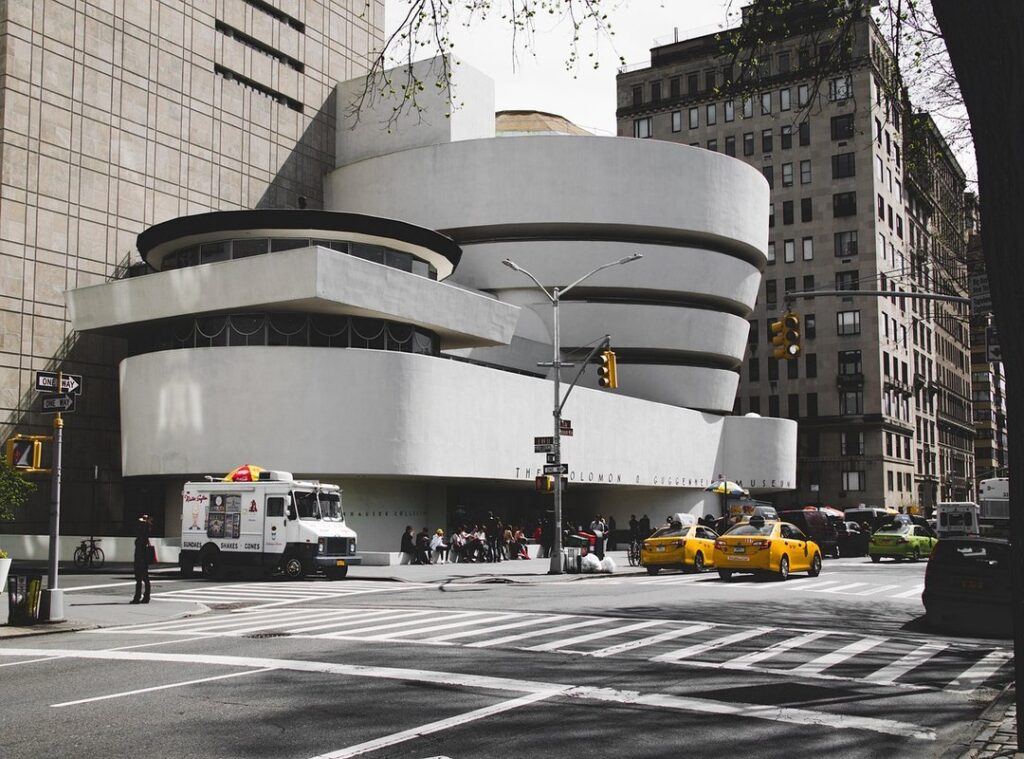
The lines between art and technology are getting blurry. You might feel lost in this mix. It’s overwhelming, right?
I get it. Many people are unsure how these two worlds collide, missing out on amazing opportunities. The tech art intersection isn’t just a buzzword; it’s shaping our future.
In this article, I’ll break down what this convergence really means. I’ll give you clear definitions, practical examples, and takeaways from my understanding of evolving tech trends. You’ll see how these changes impact society and creativity.
I want to equip you with the knowledge to engage intelligently with this complex phenomenon. It’s time to dive into the details. You’ll walk away understanding the forms, impacts, and future implications of this changing relationship.
This exploration is about more than just keeping up. It’s about embracing a new way of seeing the world. Let’s unpack this together.
Tech Art Intersection: The Fusion Unraveled
So, what exactly is this tech art intersection everyone’s buzzing about? It’s more than just slapping some code onto a canvas. It’s where technology truly fuses with art, creating something that can’t exist without both. Think of early photography and cinema, when tech first tiptoed into art’s world.
Those were just the beginning.
Today, it’s not about using tech as a mere tool. No, it becomes part of the art itself, like AI-generated visuals that challenge our very concept of creativity. You see, technology doesn’t just support art; it reshapes it, offering endless possibilities for expression and experience.
It’s like turning a page and finding a whole new genre of art on the other side.
And let’s not forget how art pushes tech forward, sparking innovation that might not have existed otherwise. This intersection is a dance, each side inspiring the other.
Curious about how this changing unfolds in sustainable practices? Check out this guide to learn more. It’s not just pixels and paint anymore.
It’s a new frontier, and we’re all part of it.
Digital Canvases: Art’s New Frontier
Ever thought about how artists use tech to create? We’re in a world where Artificial Intelligence and Machine Learning redefine creativity. Generative art is a thing now.
Imagine an algorithm painting a canvas. It’s not just about random patterns; it’s about creating something new, something we’ve never seen before. Style transfer lets you paint like Van Gogh while sitting in your living room.
Algorithms do the heavy lifting (and you get to take the credit).
Virtual Reality and Augmented Reality? They’re expanding art beyond traditional frames. You can walk into a painting, live in an artist’s vision, or touch what was once untouchable.
It blurs the line between reality and imagination. Does it change how we experience art? Absolutely.
Then there’s 3D Printing. Sculptures that were once impossible to carve are now popping out of printers. Additive Manufacturing isn’t just a buzzword.
It’s a tool that lets artists prototype and create complex forms with ease.
Interactive sensors and IoT gadgets are crafting responsive environments. Art that moves, reacts, and evolves. Kinetic art isn’t static; it’s alive.
And don’t forget the hype around Blockchain and NFTs. They’re reshaping ownership. Suddenly, digital art isn’t just a file; it’s an asset.
But with every opportunity, there’s controversy. Is it a bubble or the future?
The tech art intersection is where innovation meets creativity, redefining what art can be. Are you ready to embrace it?
Beyond the Screen: Art Meets Tech
Ever been to an interactive exhibit that makes you feel like part of the art? That’s what happens at places like teamLab Borderless and Meow Wolf. These aren’t just museums.
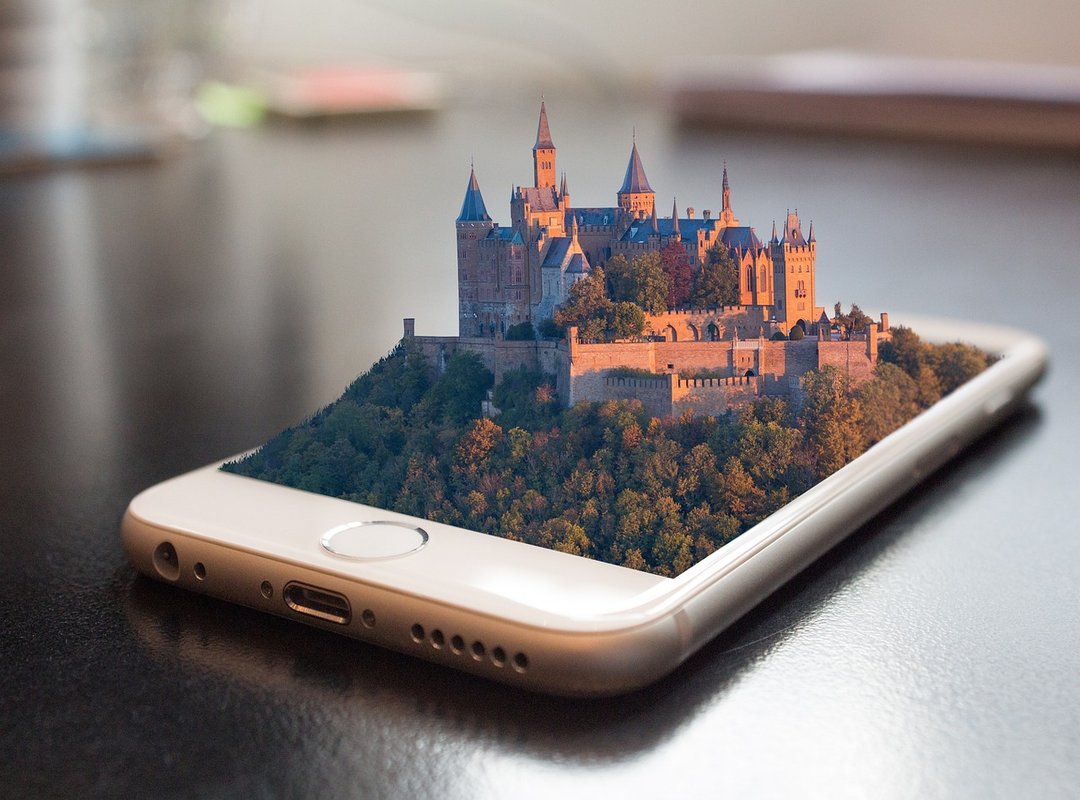
They’re immersive experiences that blend digital projections with sensors and visitor participation. It’s like stepping into another dimension.
Performance art is also catching up. With projection mapping and drone choreography, performances are no longer confined to stages. They spread out, taking over buildings and even skies.
I saw a show where drones danced above a river. A mesmerizing spectacle.
Let’s talk about data visualization. Transforming complex information into art isn’t just beautiful. It’s useful.
It turns raw data into compelling visual narratives. In today’s world, where data overloads our senses, this approach cuts through the noise. It makes information accessible, even to those who usually struggle with numbers.
Then there’s BioArt. This might be controversial, but it’s impactful. Artists manipulate living organisms to create art.
It’s not something you’d expect in a gallery, but it pushes boundaries (ethical and aesthetic ones). This art form challenges our views on life and art.
Finally, consider the artists and collectives at the intersection of art & technology. They’re pioneering new ways to express creativity. Artists like Rafael Lozano-Hemmer redefine spaces through tech art intersections.
These creatives are not just inspiring; they’re setting a new standard for what art can be.
Among these examples, it’s clear: the tech art intersection isn’t just a passing trend. It’s the future of creativity.
Navigating the New Frontier
Tech art intersection is exploding right now, and it’s not all smooth sailing. There’s a steep learning curve with new technologies, and let’s not forget the cost of advanced equipment. It’s not cheap.
But here’s the thing: the opportunities are massive. You can reach global audiences and create art like never before. Digital platforms are opening up new revenue streams, democratizing art creation in ways we only dreamed of before.
But hold on. It’s not just about the shiny possibilities. There are key ethical considerations at play.
AI bias in generative art, data privacy in interactive installations (these) are real issues. And what about intellectual property rights for digital creations? It’s a mess.
Plus, the environmental impact of large-scale tech art can’t be ignored. We need to address these challenges, not sweep them under the rug.
Preserving digital and interactive art is another headache. Technology moves fast, and what’s cutting edge today might be obsolete tomorrow. It’s ephemeral by nature.
How do we keep these creations alive for future generations? It’s a question that haunts artists and institutions alike.
For aspiring artists and technologists, there’s a path forward. Embrace interdisciplinary collaboration and never stop learning. It’s about adapting and evolving.
Interested in more ways tech is pushing boundaries? Check out virtual reality beyond gaming for some fresh perspectives.
So, are you ready to dive into this brave new world? The challenges are real, but so are the opportunities. Let’s tackle them head-on.
Embrace the Tech Art Intersection
This isn’t just a trend. The tech art intersection is transforming how we create and experience art.
If you feel lost in this evolution, you’re not alone. I get it. But this article has laid out what you need to know.
Understanding this shift is key. It shapes the future of creativity and innovation. If you’re passionate about culture, you can’t afford to sit on the sidelines.
Dive into new digital art forms. Visit tech-forward exhibitions. Explore various creative technologies.
Don’t just watch. Engage with the fusion of art and technology. Be part of the conversation and the creation.
Feeling informed? Good. Now, take action.
Explore the possibilities waiting for you.
This is your chance to be more than an observer. Call it a challenge or an opportunity. It’s time to step in and explore.